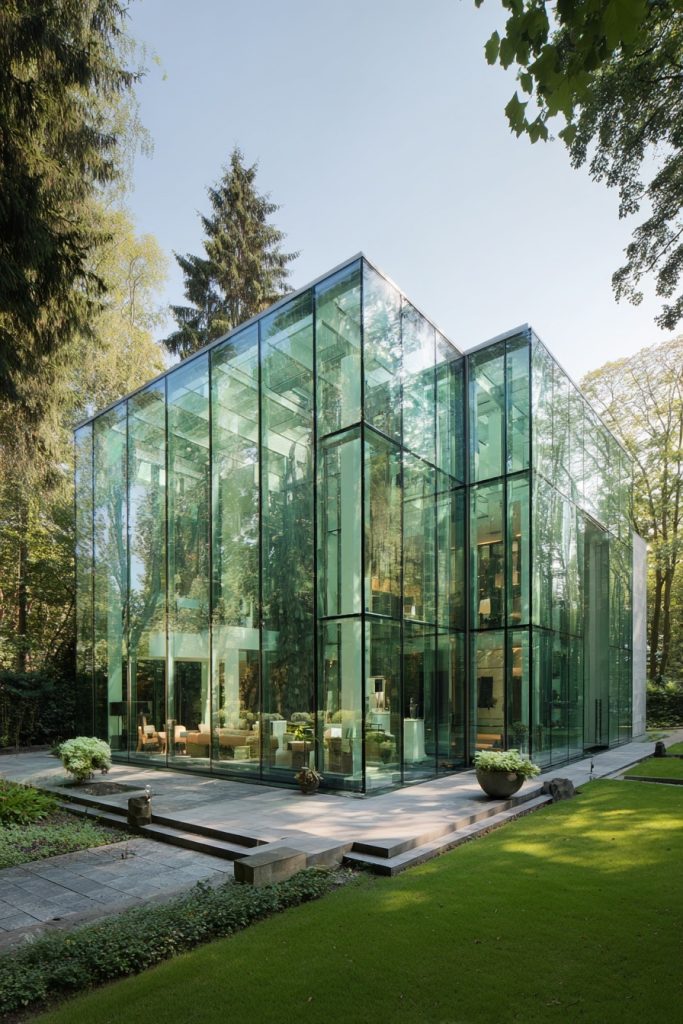
The engineering behind a modern glass house is a sophisticated feat that balances structural integrity with thermal efficiency and aesthetic purity. Unlike the glass houses of the mid-century, today’s designs utilize smart glass technologies, such as electrochromic tinting and low-emissivity coatings, to regulate temperature and privacy without sacrificing the view. The structural skeleton, often made of slender steel or reinforced concrete, is designed to be as unobtrusive as possible, allowing the glass to appear as a continuous, weightless veil. This approach to design challenges our perceptions of interior and exterior, forcing us to reconsider how we inhabit space when the walls are effectively invisible. It is a highly intentional way of living that requires a curated interior, as the house itself becomes a display case for the life lived within. Ultimately, these houses are a celebration of the human desire for clarity and a deep-seated connection to the natural light that sustains us.
1.) The Floating Steel-Frame Pavilion
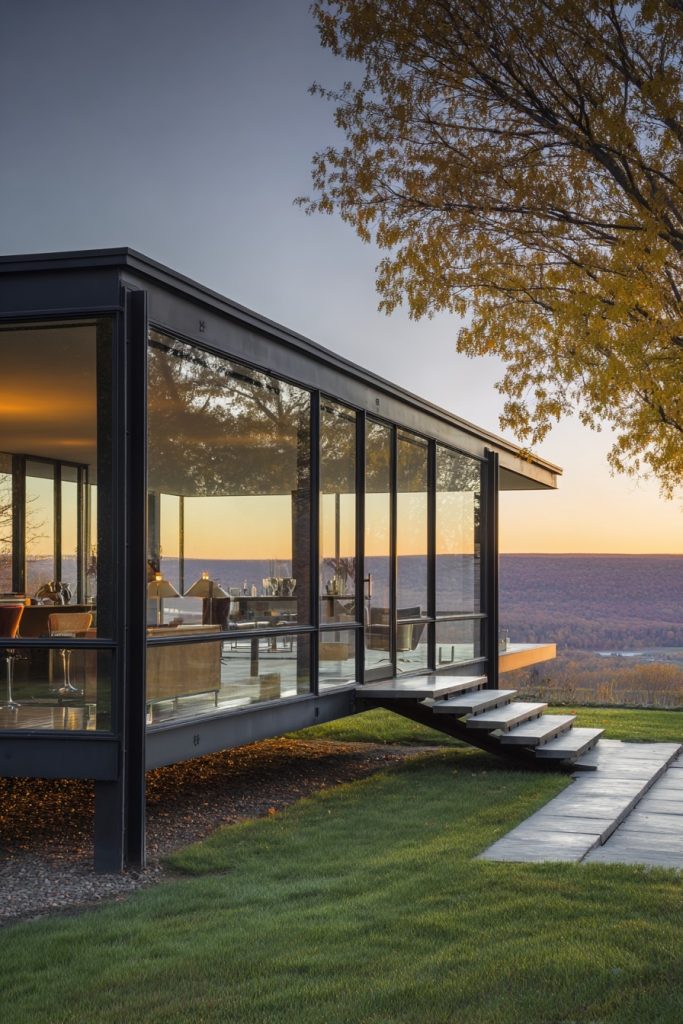
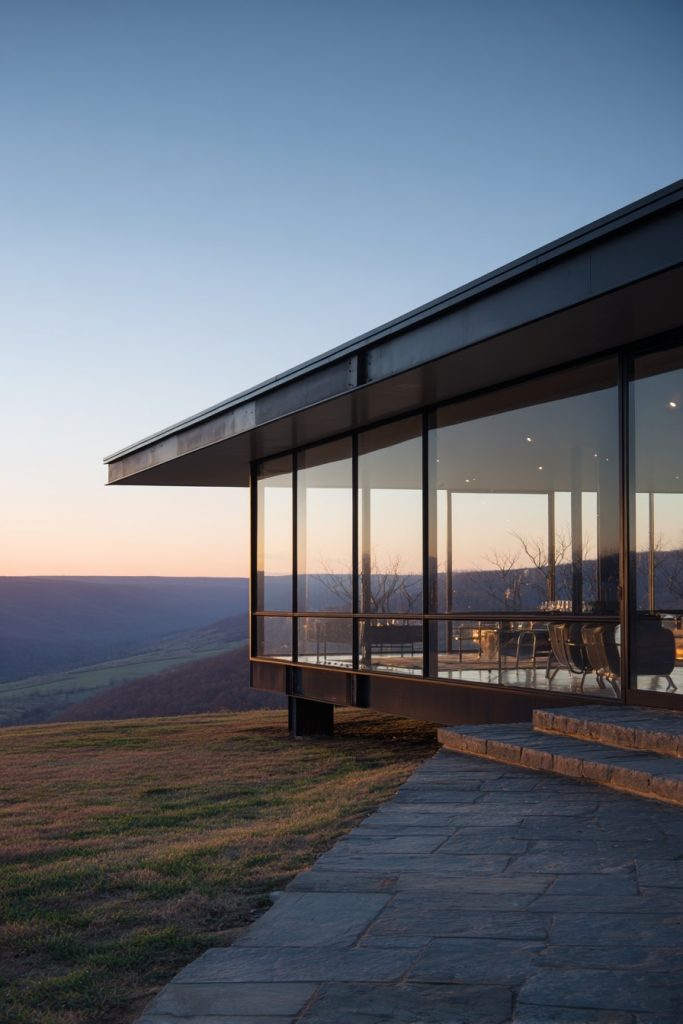
The Floating Steel-Frame Pavilion is a masterpiece of minimalist engineering, featuring a razor-thin roofline and floor-to-ceiling glass panels that offer a 360-degree view of the landscape. By elevating the entire structure on a series of recessed steel piers, the architect creates the illusion that the house is hovering just inches above the ground. This design is perfect for flat, open terrains where the focus is on the vastness of the sky and the distant horizon. The slim black or silver frames provide a rhythmic structure that doesn’t obstruct the eye, making the interior feel as wide and open as the world outside. It is a sophisticated retreat that celebrates the beauty of simplicity and the luxury of unobstructed views, providing a serene environment for contemplation.
2.) The Sunken Forest Cube
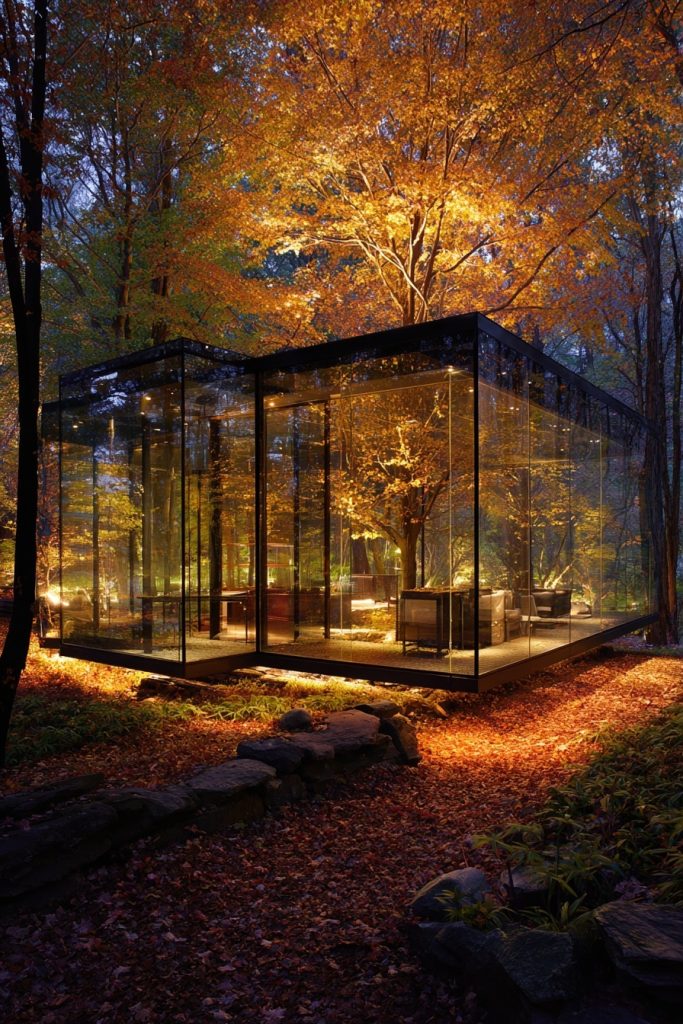
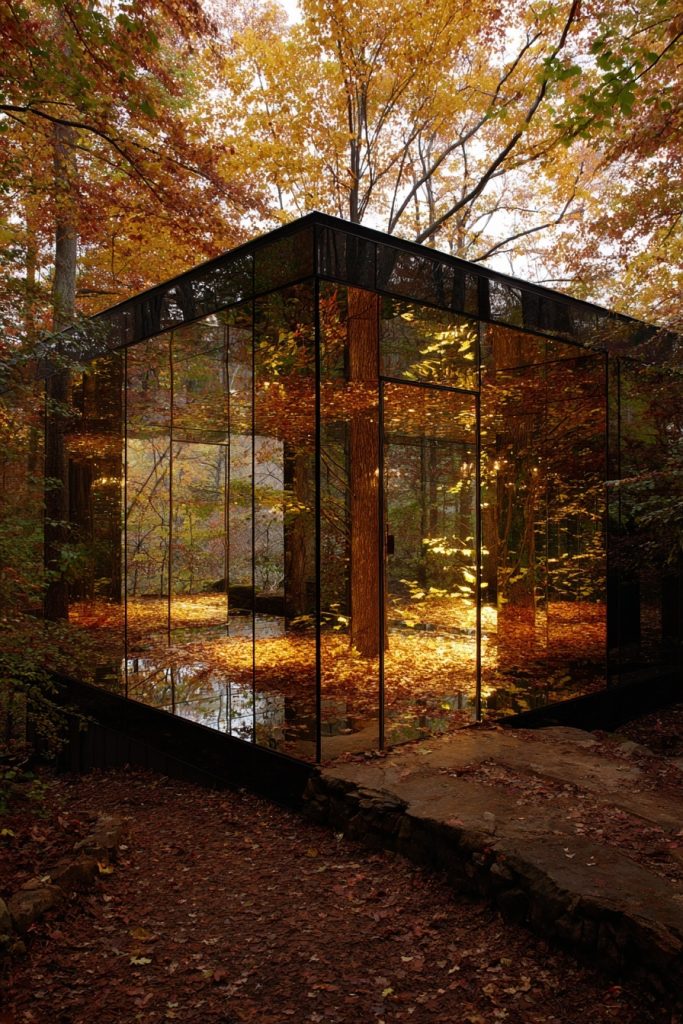
Nestled deep within a wooded glen, the Sunken Forest Cube utilizes mirrored and transparent glass to reflect the surrounding canopy while inviting the forest inside. This design often features a central courtyard with a single, mature tree, creating a private oasis that feels completely isolated from the outside world. The glass walls are treated with special coatings to prevent bird collisions while maintaining a crystal-clear view for the inhabitants. During the autumn, the house becomes a kaleidoscope of orange and gold, while in the winter, it offers a warm, glowing sanctuary amidst the snow. It is an organic approach to glass architecture that prioritizes the well-being of the resident by providing a constant, tactile connection to the rhythms of the forest.
3.) The Cantilevered Coastal Prism
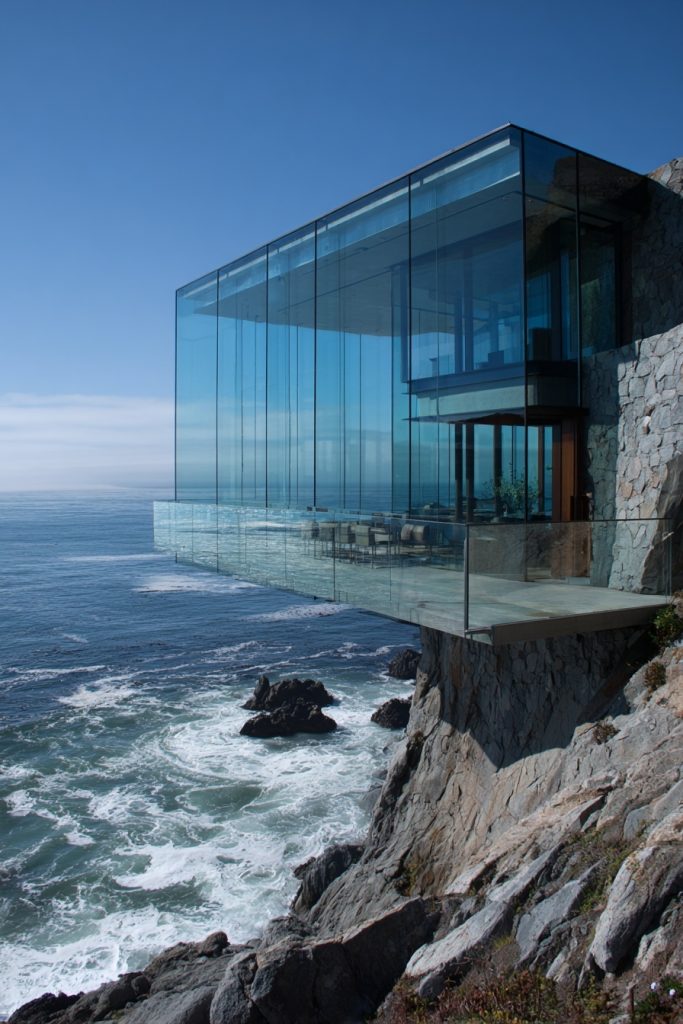
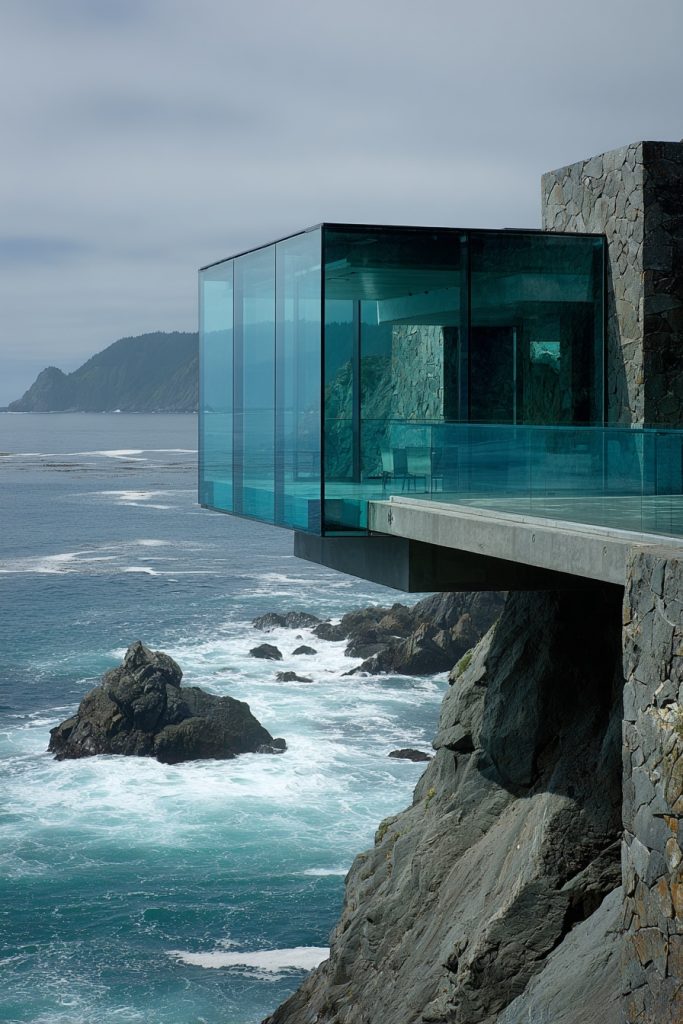
This house is a dramatic display of architectural bravery, featuring a massive glass volume that juts out over a rocky coastline or a steep hillside. The cantilevered section is typically used for the main living area or a master suite, giving the inhabitants the sensation of floating directly over the ocean. High-strength structural glass is used for both the walls and parts of the floor, providing a thrilling and uninterrupted view of the crashing waves below. The exterior is often paired with raw concrete or natural stone to ground the ethereal glass structure against the rugged elements. It is an exhilarating design that turns the home into a viewing platform for the raw power of nature, offering a unique perspective on the coastal landscape.
4.) The Urban Glass Penthouse
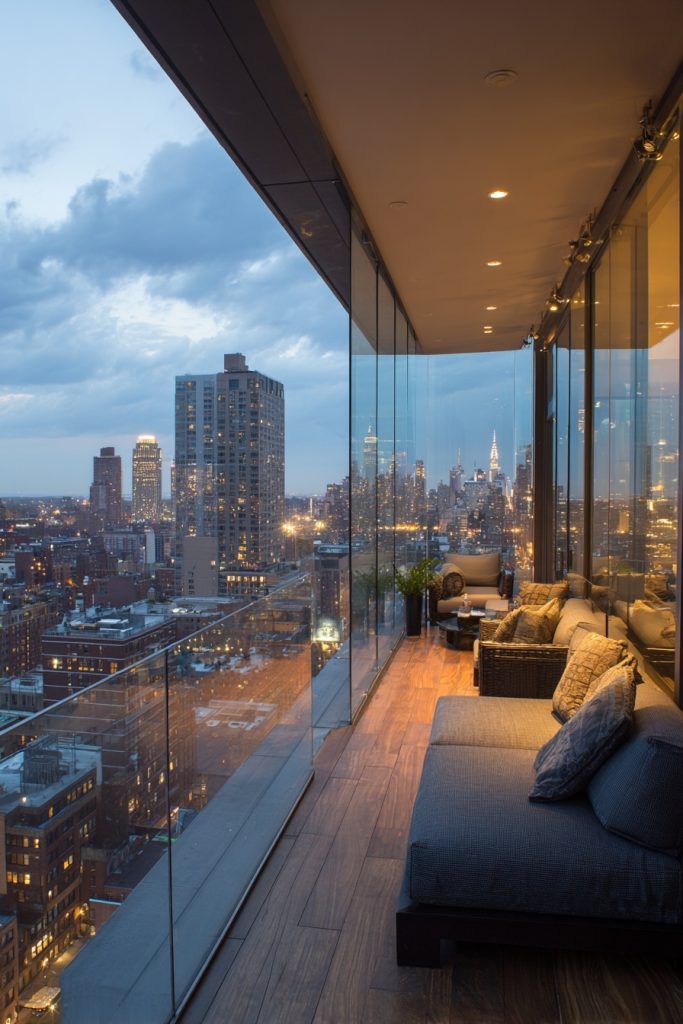
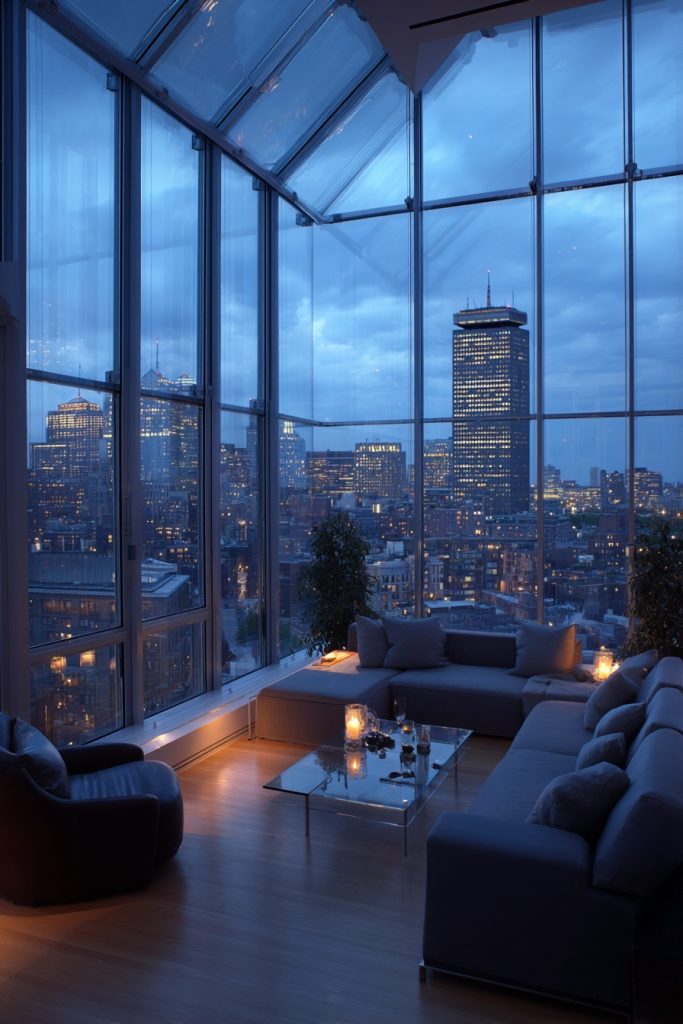
High above the bustling city streets, the Urban Glass Penthouse offers a sophisticated and panoramic lifestyle that feels like living in the clouds. This design utilizes wrap-around glass walls to capture the city skyline, turning the urban lights into a glittering backdrop for evening entertainment. Smart-glass technology is essential here, allowing the windows to tint automatically in response to the afternoon sun to prevent overheating. The interior is often designed with a minimalist aesthetic to ensure that the city remains the primary focal point. It is a high-tech sanctuary that provides a quiet escape from the noise below while keeping the resident firmly connected to the vibrant energy of the metropolitan world, making every night feel like a special occasion.
5.) The Desert Mirage Villa
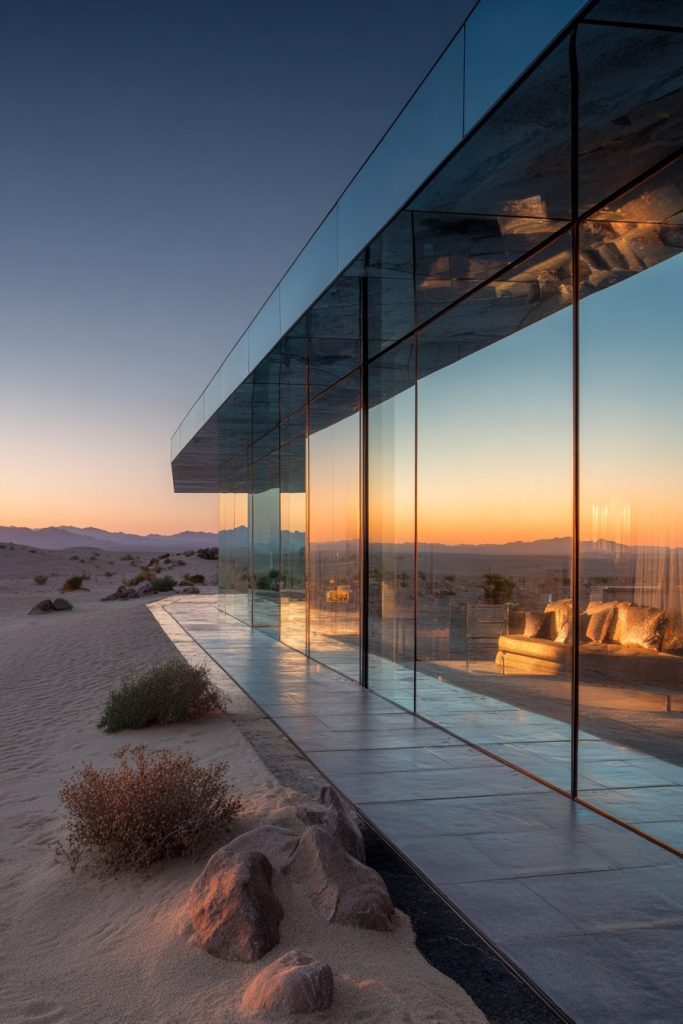
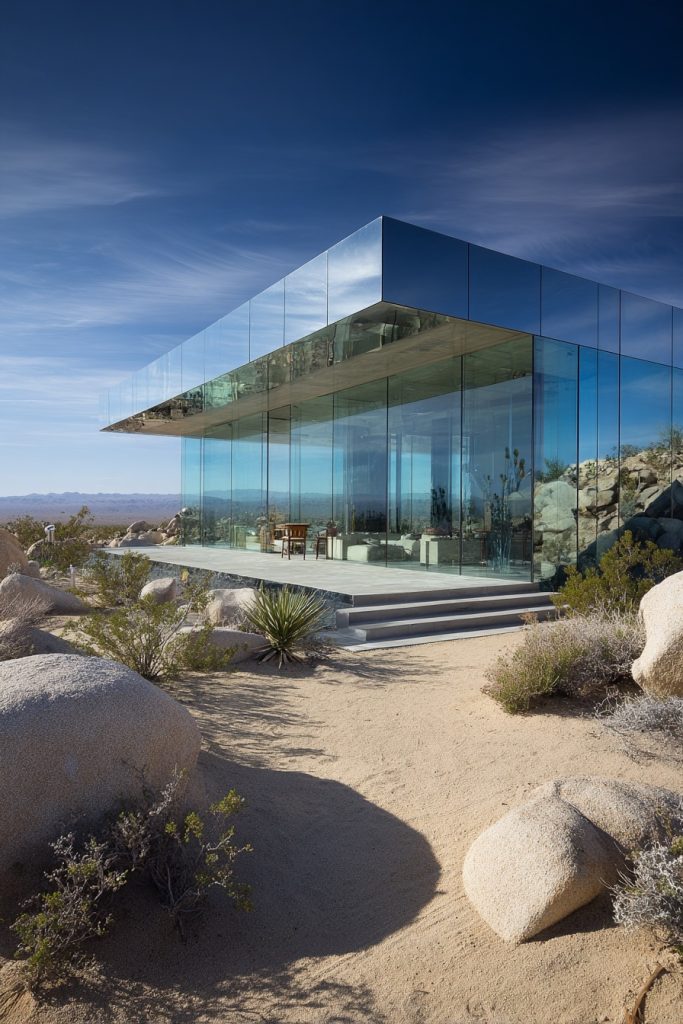
In the harsh and beautiful environment of the desert, the Desert Mirage Villa uses reflective and heat-shielding glass to blend into the sandy landscape. During the day, the exterior reflects the dunes and the sky, making the house nearly invisible from a distance. The design often incorporates deep overhangs and shaded terraces to protect the interior from the intense midday heat while allowing for expansive views of the desert floor. At night, the house becomes a glowing beacon under the stars, with the transparent walls offering a perfect view of the clear, unpolluted night sky. It is a resilient and poetic design that proves glass can be a practical and stunning choice even in the most extreme climates, provided it is used with intelligence.
6.) The Geometric Glass A-Frame
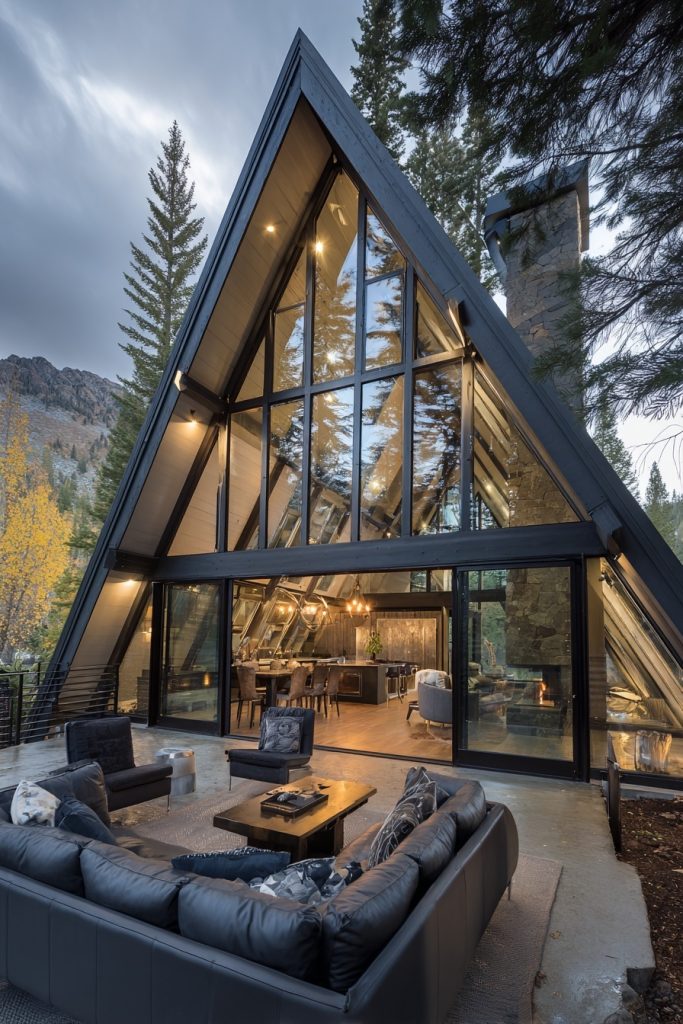
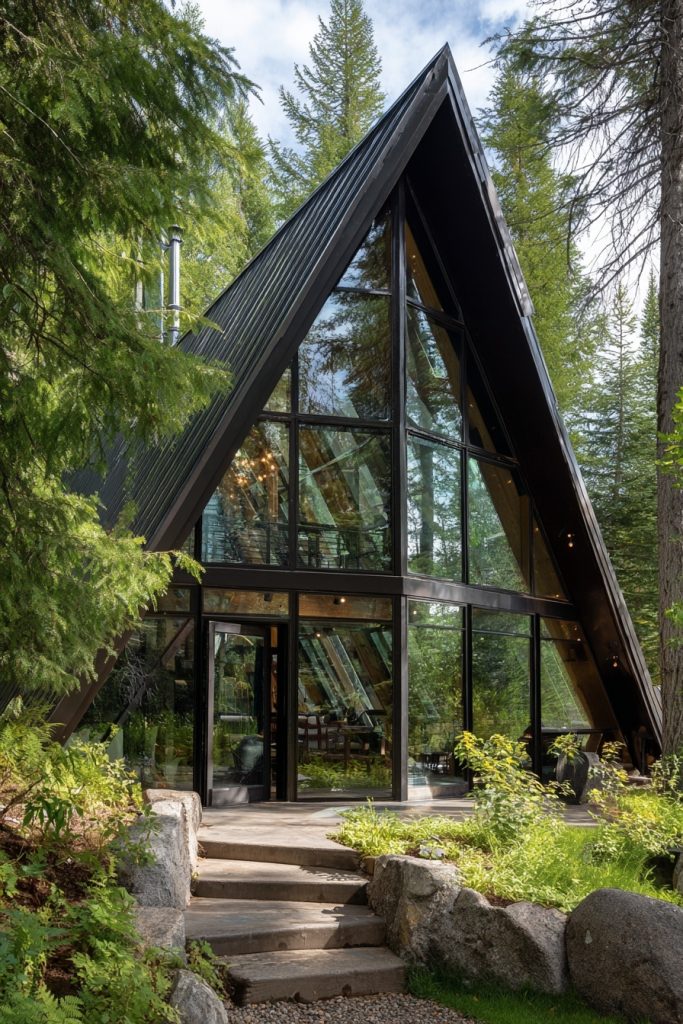
The Geometric Glass A-Frame is a modern update to the classic cabin, featuring a massive, triangular glass facade that opens the entire front of the house to the views. This design is particularly effective in mountain settings, where the steep roofline mimics the surrounding peaks and handles heavy snowfall with ease. The interior often features a lofted sleeping area that looks out through the peak of the triangle, providing a sense of height and drama. By using glass for the entire front wall, the architect allows natural light to penetrate deep into the house, creating a bright and airy atmosphere even on cloudy days. It is a cozy yet expansive design that brings a touch of contemporary elegance to the traditional wilderness retreat.
7.) The Glass and Stone Fortress
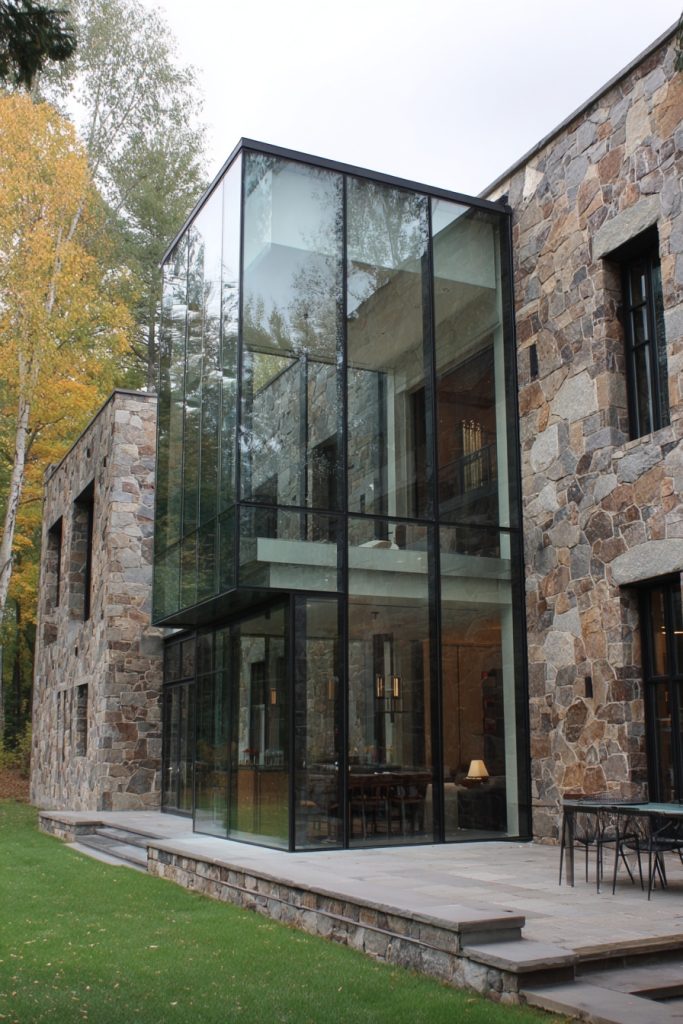
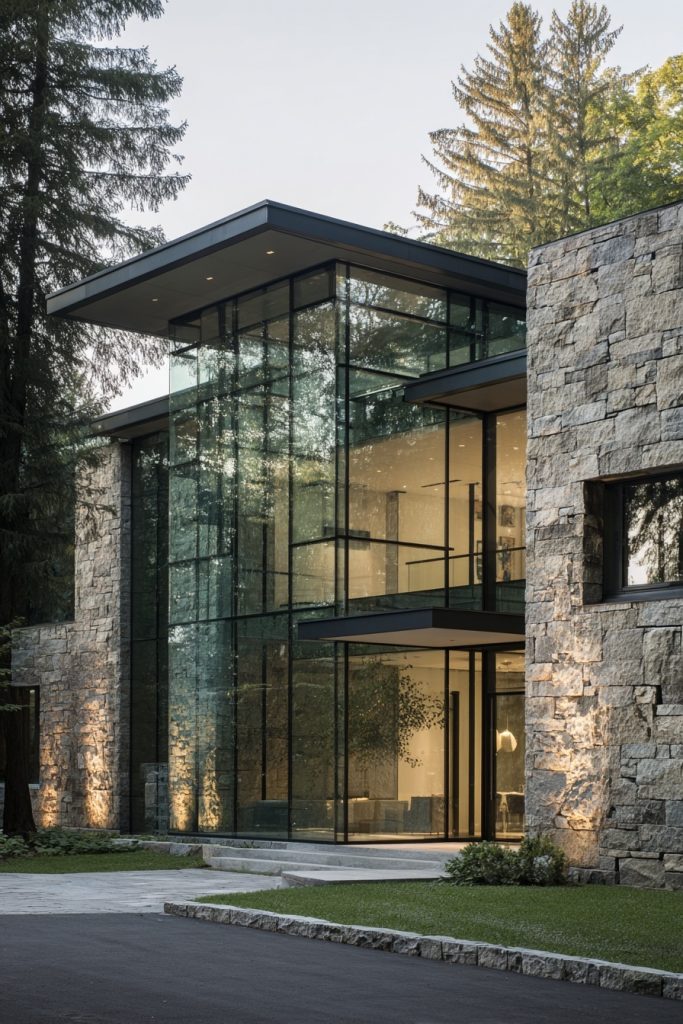
The Glass and Stone Fortress is a study in contrasts, pairing heavy, opaque stone walls with delicate, transparent glass sections to create a sense of both security and openness. This design often features stone wings that contain private bedrooms and bathrooms, while a central glass volume houses the social areas like the kitchen and living room. This arrangement allows the family to enjoy the views and the light during the day while retreating into the solid, protective embrace of the stone at night. The dialogue between the ancient texture of the stone and the modern clarity of the glass creates a visually rich exterior that feels grounded in tradition yet firmly forward-looking. It is a balanced and thoughtful approach to modern living that addresses the need for both privacy and connection.
8.) The Curvilinear Glass Pod
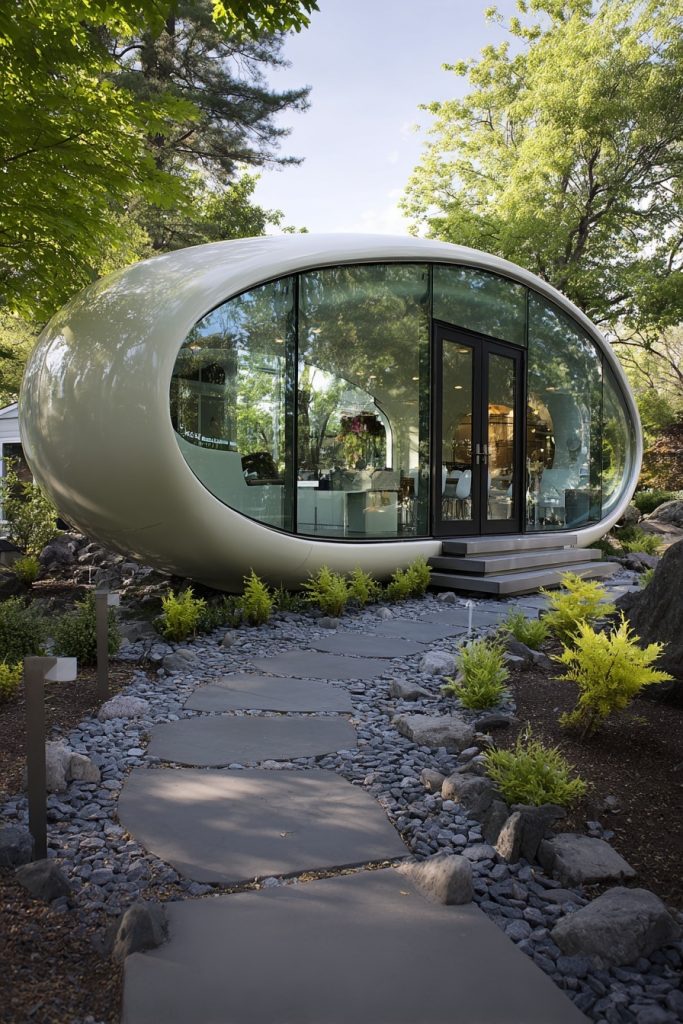
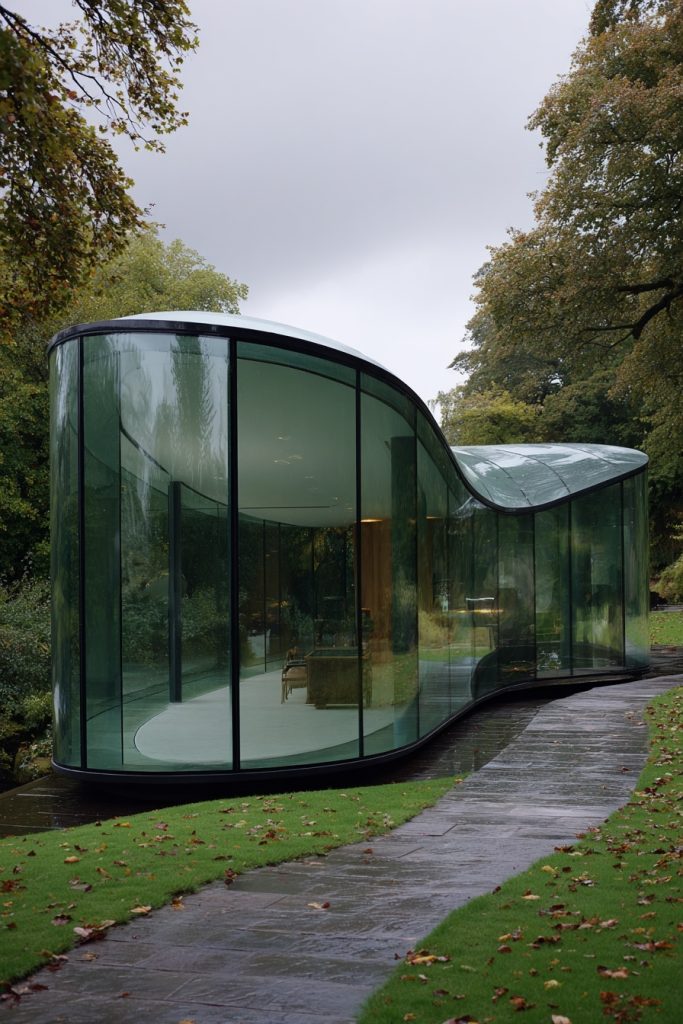
Moving away from the sharp angles of traditional modernism, the Curvilinear Glass Pod utilizes bent glass technology to create a soft, flowing silhouette that mimics the shapes found in nature. This house feels like a giant bubble or a smooth river stone, with no harsh corners to break the visual flow. The curved glass offers a unique panoramic experience, as the view subtly shifts and warps as you move through the space. This design is often used for smaller, modular homes or secondary guest houses, providing a whimsical and futuristic aesthetic. It is a highly artistic approach to architecture that challenges the boundaries of what is possible with glass, resulting in a home that feels like a sculptural piece of art set within the landscape.
9.) The Stepped Terrace Glass House
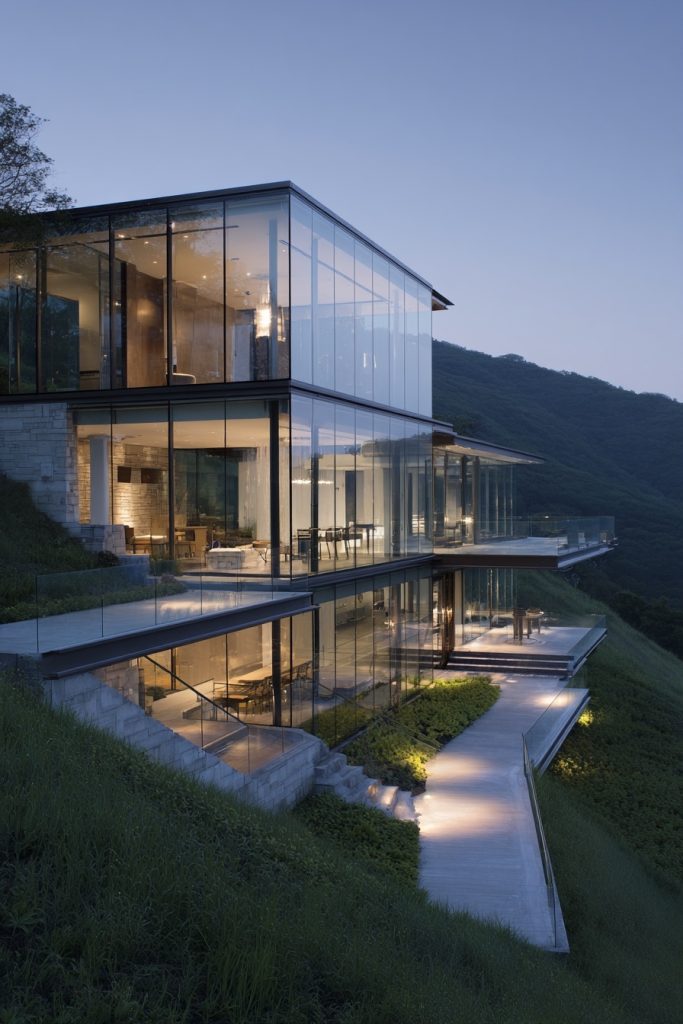
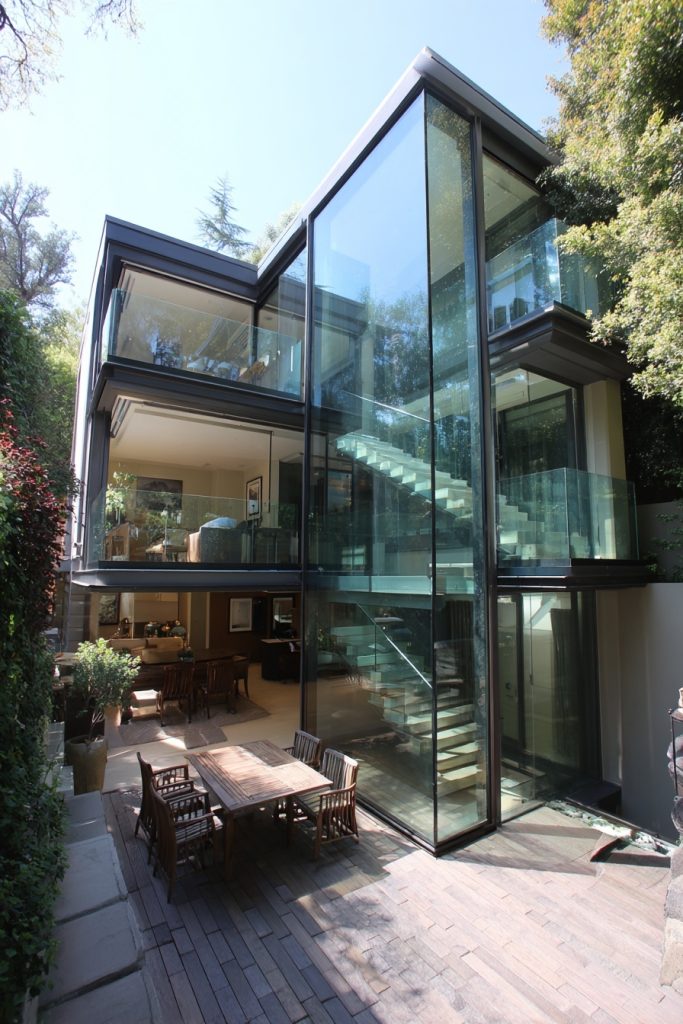
Designed for sloping sites, the Steable Terrace Glass House features multiple levels of glass-walled rooms that step down the hillside, each with its own private garden terrace. This design ensures that every room in the house has an unobstructed view, as the level below is tucked away beneath the terrace of the level above. The use of glass railings for the balconies ensures that the view remains clear even when seated. This vertical arrangement creates a sense of journey as you move through the house, with each level offering a slightly different perspective on the surroundings. It is a clever and luxury-focused design that maximizes the potential of a difficult site, providing a series of light-filled spaces that feel both connected and private.
10.) The Industrial Glass and Steel Loft
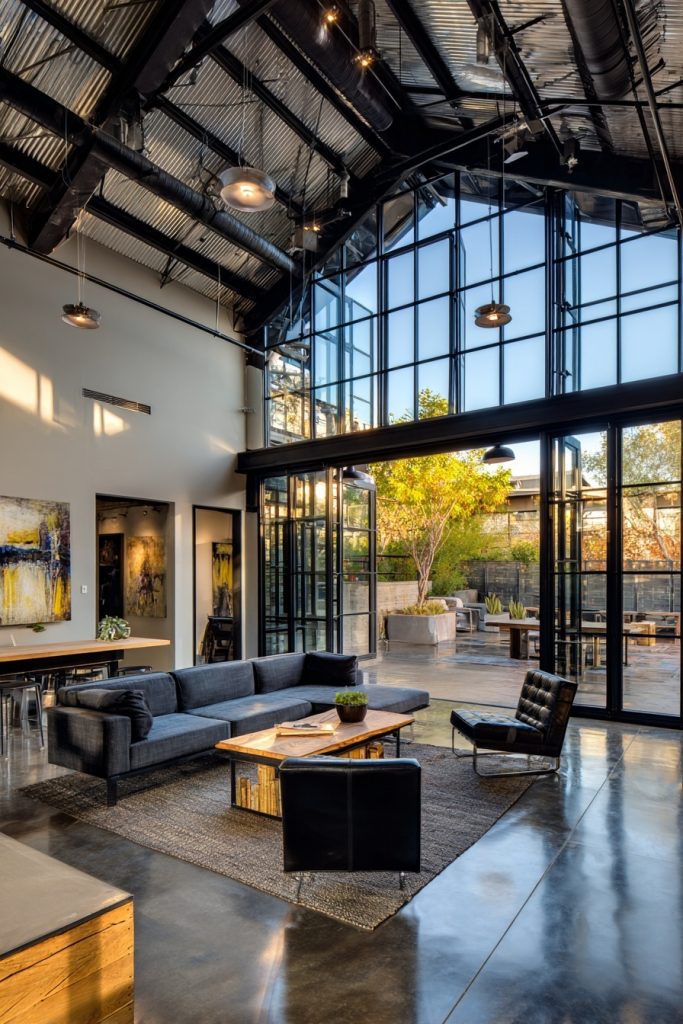
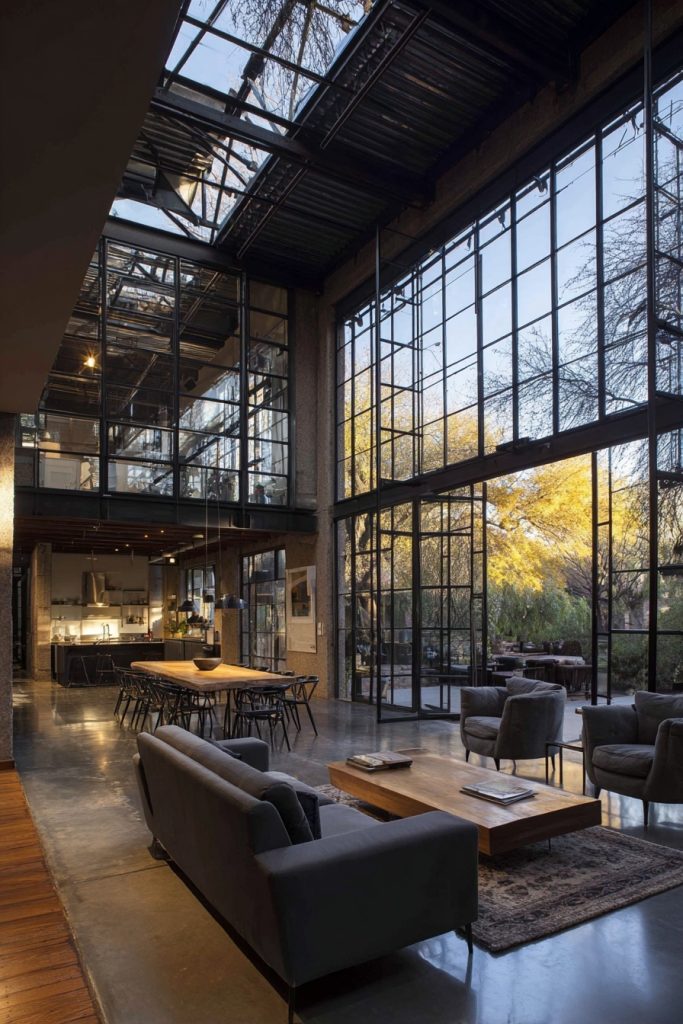
The Industrial Glass and Steel Loft brings the aesthetic of the converted warehouse to a purpose-built modern home, utilizing large-paneled glass windows and exposed steel beams. This design often features high ceilings and open-plan layouts that emphasize the sense of volume and light. The black steel frames provide a strong, graphic element that contrasts with the transparency of the glass, giving the house a sturdy and masculine feel. Large sliding glass doors are often used to open the entire living area to an outdoor deck or a courtyard, creating a seamless indoor-outdoor flow. It is a popular choice for those who love a clean, urban aesthetic and want a home that feels like a modern gallery for their life and art.
11.) The Mirrored Cube Retreat
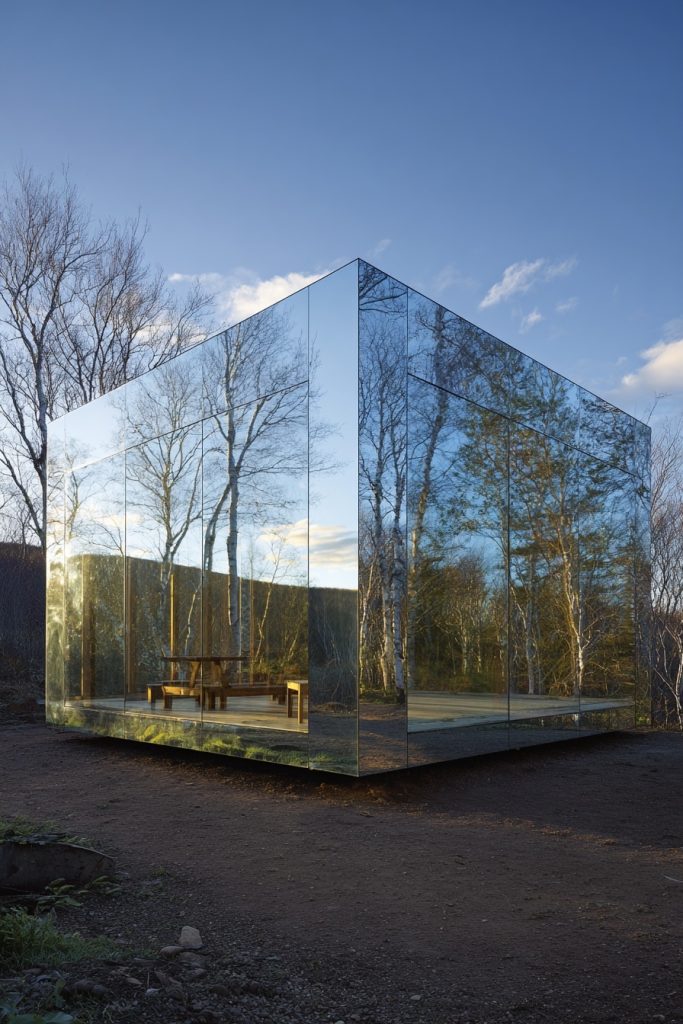
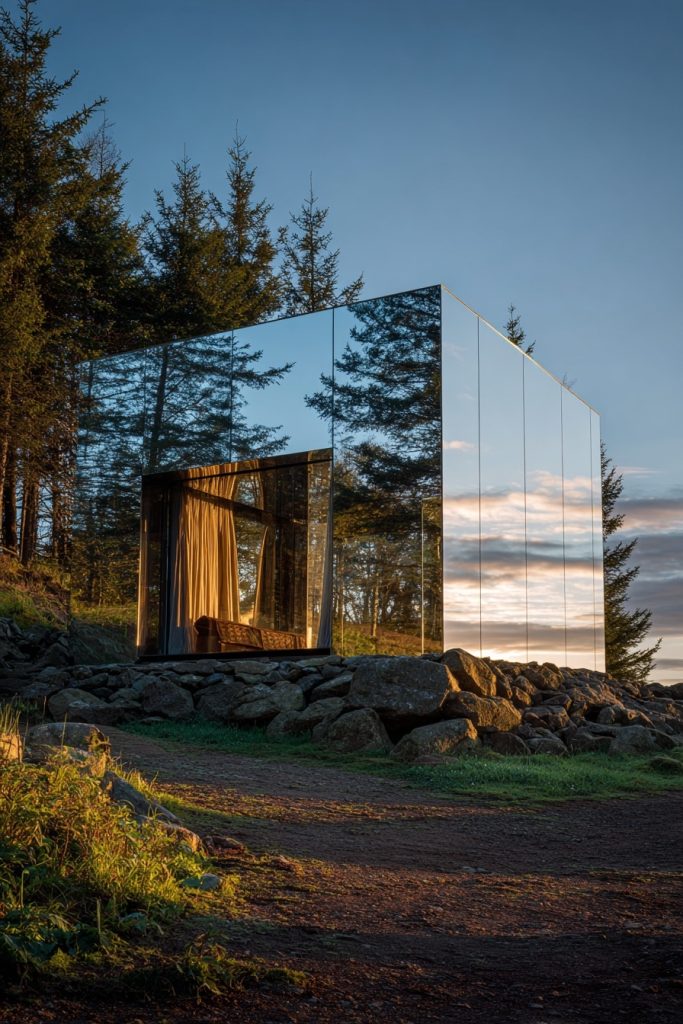
The Mirrored Cube Retreat is the ultimate expression of the invisible house, utilizing high-reflectivity glass to disappear almost entirely into its environment. When viewed from the outside, the house appears to be a perfect reflection of the sky and the trees, making it a subtle and non-intrusive addition to any landscape. From the inside, however, the glass is perfectly transparent, offering the inhabitants a private and protected view of the world. This design is often used for remote cabins or studios where the goal is to minimize the human footprint on the land. It is a poetic and technologically advanced design that plays with the concepts of presence and absence, providing a unique and meditative living experience for those who value solitude.
12.) The Smart-Glass Sustainable Manor
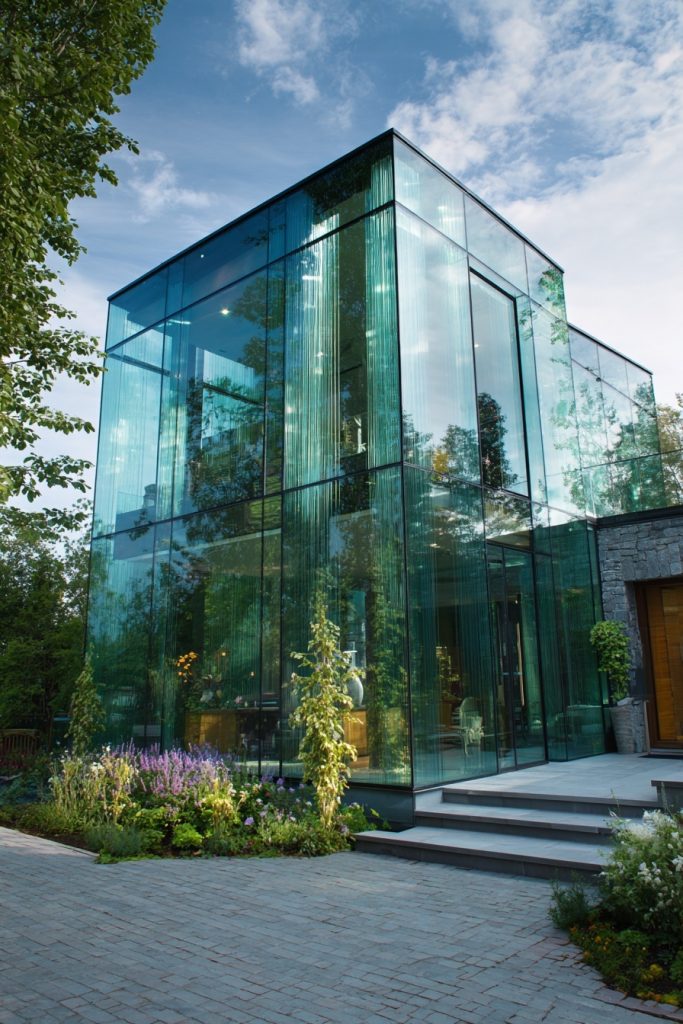
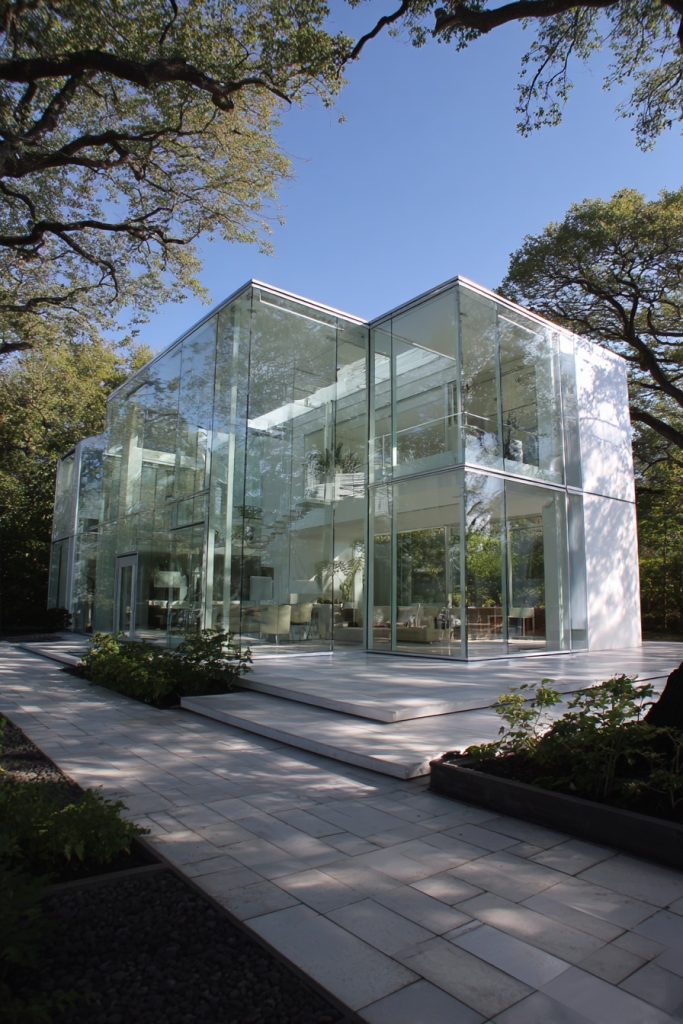
The Smart-Glass Sustainable Manor is a showcase for the latest in green building technology, utilizing triple-glazed glass and integrated solar cells to create a home that produces as much energy as it consumes. The glass walls are equipped with sensors that adjust the opacity of the panes based on the exterior light levels, ensuring that the interior remains comfortable without the need for heavy air conditioning. This design often features a large central atrium that uses the chimney effect to naturally ventilate the house. By prioritizing sustainability, the architect proves that a glass house can be an environmentally responsible choice for the future. It is a high-end and intelligent home that offers a luxurious lifestyle while remaining firmly committed to the health of the planet.
13.) The Glass-Wrapped Courtyard Villa
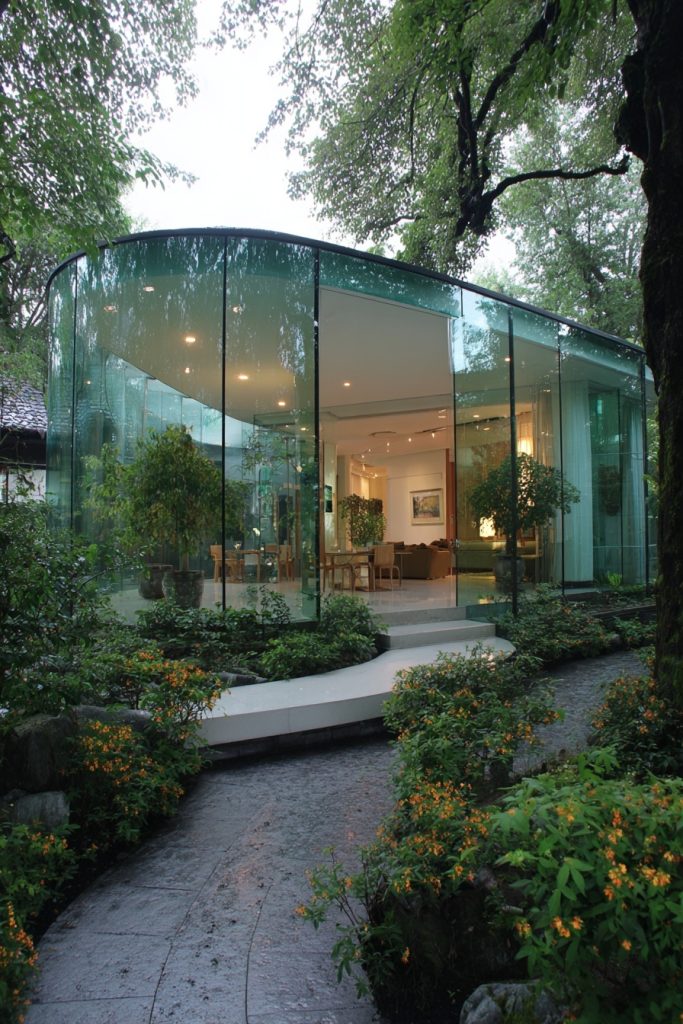
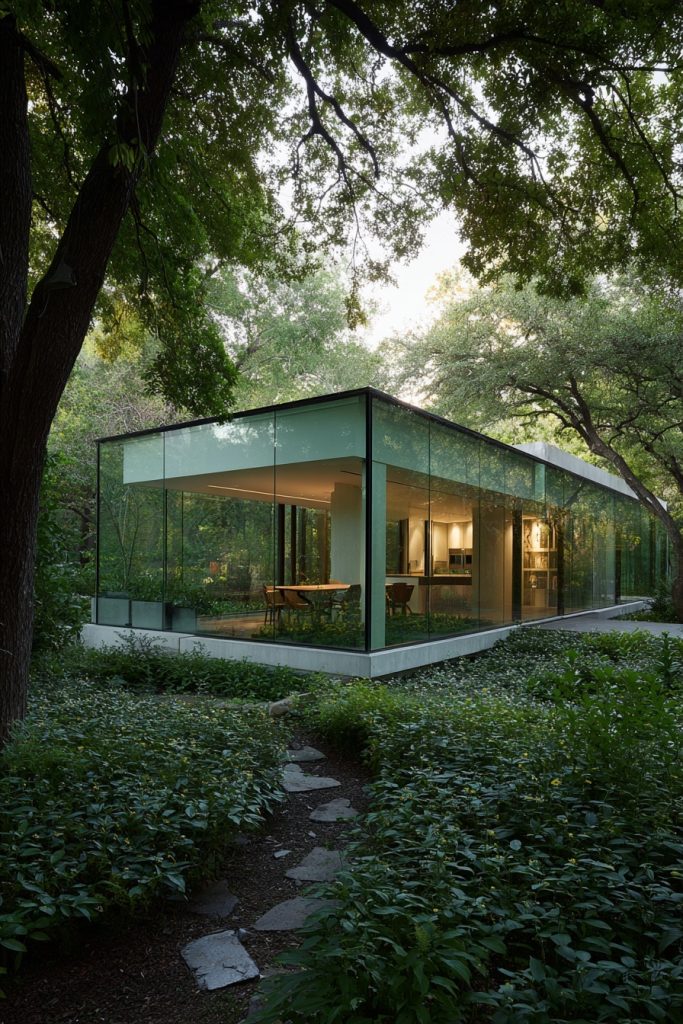
Centered around a private internal garden, the Glass-Wrapped Courtyard Villa features a series of glass walls that look inward toward a lush, protected oasis. This design is perfect for urban or suburban settings where the exterior views might be less than ideal. By focusing the house inward, the architect creates a private sanctuary that is filled with light and greenery, regardless of the neighbors. The outer walls of the house can be more opaque for security, while the internal glass walls create a bright and open atmosphere for the residents. It is a clever and introspective design that offers a high level of privacy while still providing the feeling of living in a transparent, light-filled environment.
A Future Defined by Clarity and Light
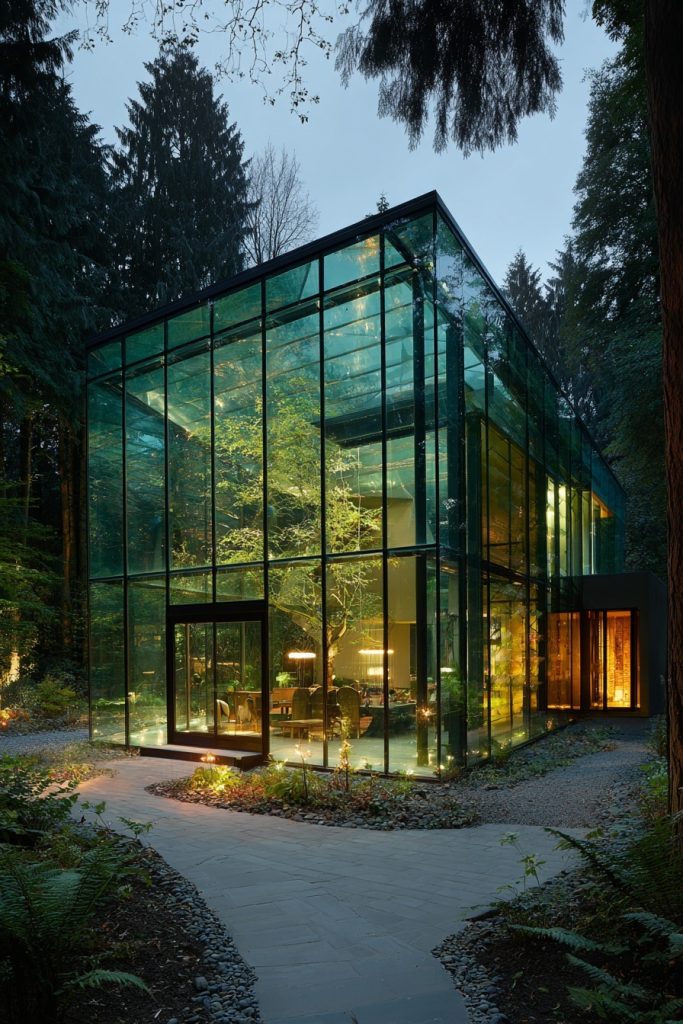
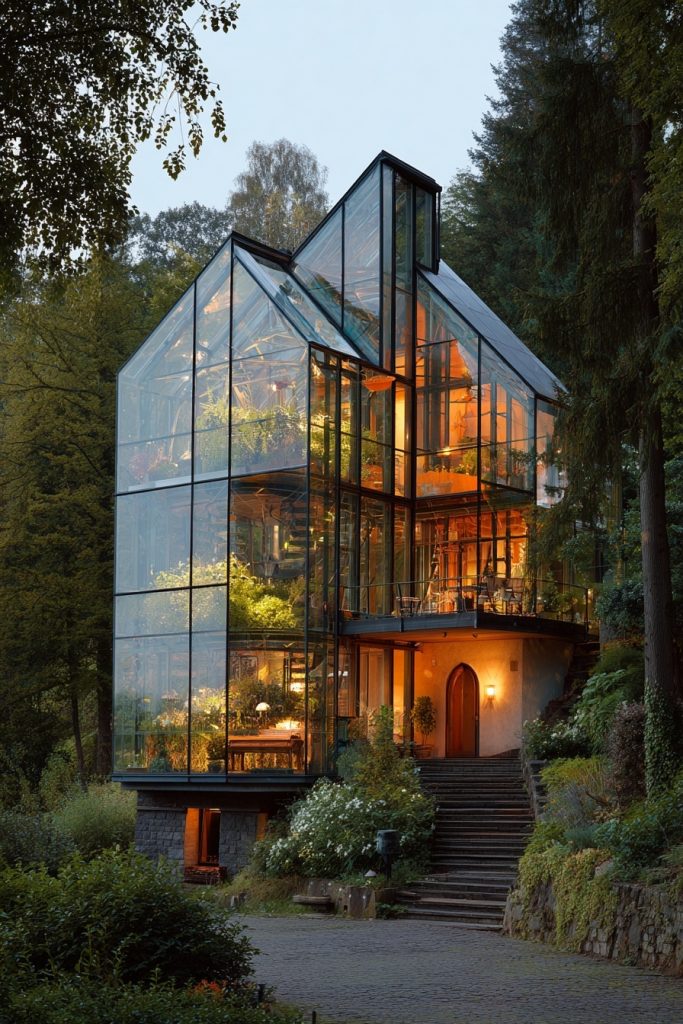
The evolution of the glass house is a testament to our ongoing desire to break down the walls that separate us from the natural world. These thirteen designs demonstrate that transparency is not just a stylistic choice, but a way to enhance our daily lives by inviting the beauty of the outdoors into our most private spaces. As glass technology continues to advance, we can expect to see even more daring and efficient structures that push the limits of what a home can be. Living in a house of glass requires a certain level of courage and a commitment to a minimalist lifestyle, but the rewards are a sense of freedom and a connection to the light that are truly unparalleled. These cutting-edge homes are a celebration of the clear, the open, and the infinite, providing a luminous foundation for the future of modern architecture.
