
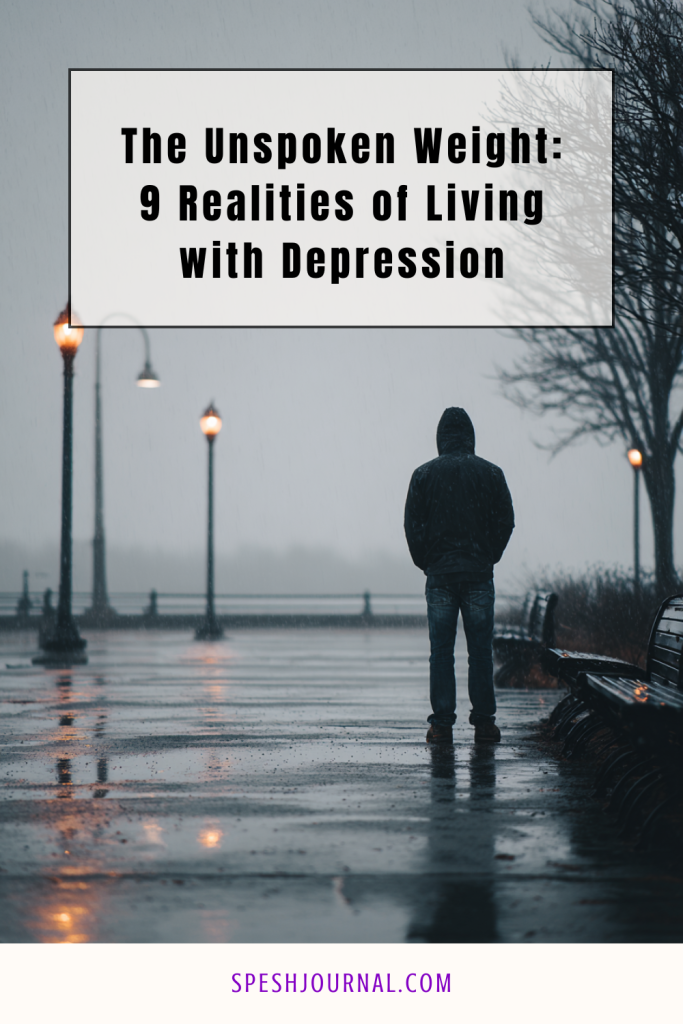
Depression is frequently discussed in clinical terms or portrayed in media as a simple, overwhelming sadness, but those who live through it know that the reality is far more complex and multifaceted. It is an experience that alters the very chemistry of your daily life, shifting the way you perceive time, physical sensation, and your own identity. When we peel back the generic labels, we find a landscape that is often quiet, exhausting, and strangely physical. Understanding these unspoken nuances is not just about identifying symptoms; it is about validating the lived experience of millions who feel like they are navigating a world that doesn’t quite have the vocabulary for their struggle. By bringing these hidden truths into the light, we can move away from the stigma of ‘just being sad’ and toward a more profound, empathetic understanding of what it actually means to heal.
1.) The Void of Numbness
One of the most significant secrets is that depression often feels less like a presence of sadness and more like a total absence of everything. While the world expects you to be tearful, the reality is frequently a terrifying state of apathy where nothing, not even the things you once loved, sparks a reaction. This numbness can be more isolating than sorrow because it strips away your ability to connect with the joy of others or the comfort of your own hobbies. It is like watching your life through a thick pane of frosted glass; you can see the shapes of happiness and meaning, but you cannot feel the warmth of them. Learning that this ‘flatness’ is a hallmark of the condition, rather than a personal failing, is a vital step in reclaiming your narrative.
2.) The Reality of Physical Pain
Depression is not just a mental state; it is a full-body experience that can manifest as actual, physical agony. Many people are surprised to find that their struggle comes with unexplained backaches, heavy limbs, and a constant, gnawing fatigue that no amount of sleep can fix. Your body feels as though it is moving through waist-deep water or that your muscles have been replaced with lead. This physical toll makes the smallest tasks, like standing up or getting dressed, feel like an Olympic feat of endurance. Understanding the mind-body connection in this context is crucial, as it helps you realize that your exhaustion is not laziness, it is your nervous system being under immense, invisible pressure that is as real as any physical injury.
3.) The Exhaustion of Decision Fatigue
When you are in the depths of a depressive episode, the executive function of your brain often goes offline, making the simplest choices feel insurmountable. Deciding what to eat for lunch or which shirt to wear can trigger a mental shutdown, leading to hours of paralyzed staring at a wall. This is not a lack of willpower; it is a biological depletion of the energy required to process options and take action. The secret no one tells you is that you only have a very limited amount of ‘decision fuel’ each day, and once it is gone, you are essentially stranded. Recognizing this allows you to simplify your life and reduce the number of choices you have to make, preserving what little energy you have for the things that truly matter.
4.) The Sharpness of Irritability
While the stereotype of depression is a quiet, shrinking figure, the reality can often be a surprising amount of anger and irritability. When your internal resources are entirely tapped out, every small annoyance, a loud noise, a slow computer, or a misinterpreted comment, can feel like a personal assault. This ‘depressive rage’ is often a defensive mechanism for a mind that is simply too overwhelmed to process any more stimuli. It can be deeply confusing for both the person experiencing it and their loved ones, as it doesn’t fit the traditional image of a ‘sad’ person. Acknowledging that irritability is a valid and common symptom helps remove the shame associated with these outbursts and opens the door for more honest communication about your needs.
5.) The Fog of Cognitive Decline
Depression often brings with it a thick, disorienting brain fog that can make you feel like you are losing your cognitive abilities. You might find yourself struggling to find the right words in a conversation, forgetting appointments, or being unable to focus on a single page of a book. This ‘pseudo-dementia’ is a common but rarely discussed side effect of the brain prioritizing survival over higher-level processing. It can be incredibly frightening to feel your sharpness slip away, leading to fears that you are permanently damaged. However, this secret reveals that the fog is a temporary protective measure. As the weight of the depression begins to lift, your mental clarity almost always returns, proving that your intelligence was never gone, it was just obscured by the clouds.
6.) The High-Functioning Mask
There is a version of depression that looks like a perfectly managed life, where the individual is still showing up to work, paying bills, and smiling in photos. This ‘high-functioning’ mask is an exhausting performance that requires an immense amount of internal energy to maintain. The secret here is that external success does not equate to internal peace; in fact, the effort required to appear ‘normal’ can actually deepen the exhaustion and make the eventual crash even more severe. People often feel they don’t ‘deserve’ to say they are struggling because they are still meeting their obligations, but this only leads to further isolation. Validating the struggle of those who are ‘keeping it all together’ is essential for ensuring they get the support they need before the mask finally breaks.
7.) The Struggle with Basic Maintenance
In the darkest moments, basic hygiene and household maintenance become the first things to go, and the resulting shame can be paralyzing. The secret that is rarely shared is that there is a community of people who understand the difficulty of brushing your teeth, taking a shower, or washing a single dish. These aren’t failures of character; they are symptoms of a profound energy deficit. When you are fighting for your life, the dishes simply do not matter. Learning to treat these tasks with ‘functional neutrality’, doing them when you can without judging yourself when you can’t, is a powerful act of self-kindness. Breaking the silence around these ‘dirty little secrets’ helps dissolve the stigma that keeps people from reaching out for help with the practicalities of daily living.
8.) The Non-Linear Path of Recovery
Recovery is often sold as a steady upward climb, but the truth is that it is a messy, circular, and frustrating process. You will have days where you feel like you have finally turned a corner, followed immediately by a week where you feel right back at the beginning. This ‘two steps forward, one step back’ rhythm is the secret to long-term healing. It is not about reaching a permanent state of happiness, but about building the resilience to navigate the dips without losing hope. Understanding that a bad day is not a relapse, but rather a normal part of the cycle, prevents you from giving up when things get difficult. It allows you to view your progress in terms of months and years rather than hours and days.
9.) The Importance of the ‘Zero Day’
A ‘zero day’ is a day where you do absolutely nothing toward your goals, and for someone with depression, these days are often necessary for survival. The secret no one tells you is that survival itself is a productive act. If all you did today was breathe and stay alive, you have succeeded. Redefining productivity to include rest and self-preservation is a radical shift in a culture that demands constant output. When you stop punishing yourself for your zero days, you actually recover faster because you aren’t adding the weight of self-loathing to your existing burden. Acceptance is the foundation upon which small wins are eventually built, and every day you choose to stay is a day you have won.
In Closing



Uncovering the hidden layers of depression is an act of reclaiming your power from a condition that thrives on silence and shame. These secrets, the physical pain, the cognitive fog, the irritability, and the non-linear nature of healing, are not signs of a broken person, but the standard markers of a difficult journey. By acknowledging the full spectrum of the experience, we can foster a more compassionate inner dialogue and build more effective support systems. Depression is a formidable opponent, but it is one that becomes less terrifying when we understand its tactics. Remember that your worth is not tied to your productivity, your mood, or your ability to maintain a mask. You are a person navigating a profound challenge, and every bit of understanding you gain is a light that helps guide you through the shadows toward a more sustainable and authentic life.
