
The philosophy behind merging the old with the new rests on the concept of honest juxtaposition. Rather than trying to mimic historical styles, which often leads to a diluted or unauthentic aesthetic, successful modern additions celebrate the architectural difference between the two periods. By using materials like expansive glass, dark steel, or polished concrete against original brick, weathered stone, or timber, architects create a clear visual line that tells the story of the building evolution. This creates a narrative architecture where the original footprint remains readable, while the contemporary expansion provides the light, volume, and openness that modern living demands. It is a respectful approach that values structural preservation while simultaneously championing bold, creative progress.
1.) The Glass Box Extension


Perhaps the most iconic way to modernize an old house is the addition of a glass box. This design creates a stark, beautiful contrast between the solid, opaque mass of the historical masonry and the ethereal transparency of the new structure. By utilizing floor-to-ceiling glazing with minimal framing, the new extension appears to vanish, allowing the sunlight to flood into the home while maintaining a clear separation between the two eras. This allows the original exterior to serve as an interior wall, effectively bringing the history of the house inside and turning the old facade into a feature piece of your living space.
2.) The Industrial Metal Wrap


For those who admire a sharp, edgy aesthetic, wrapping part of an old stone or brick cottage in black corrugated steel or zinc creates a dramatic visual impact. This design treats the old structure as a warm core that is protected by a modern, industrial shell. The dark, sleek metal finish draws the eye and highlights the rugged texture of the original house, making the traditional materials pop. This approach is particularly effective for creating an unexpected contrast that feels sophisticated and intentional, turning a modest heritage building into a bold statement piece that commands attention on any street.
3.) The Floating Flat Roof


Adding a modern flat roof to a traditional pitched-roof building creates an intriguing silhouette that plays with geometry and height. This extension design often involves creating a new, singular-story living space with a sharp, low-profile roofline that sits adjacent to the steep angles of the old house. The separation between the two roof levels is often filled with a ribbon of clerestory windows, which allows natural light to pour into the center of the plan. This creates a sense of lightness, as if the new roof is hovering over the structure, providing a clean, modern frame for the historic core.
4.) The Mirror Clad Cube

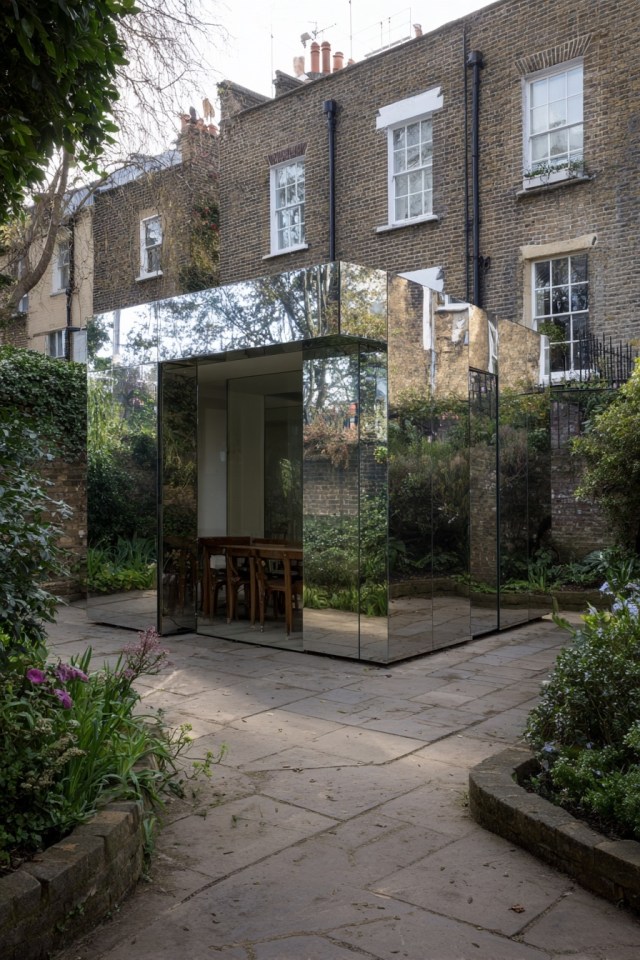
If you want to minimize the visual footprint of a new addition, cladding a modern cube extension in reflective, mirrored panels is a brilliant strategy. This design effectively camouflages the new build, as it reflects the surrounding garden and the original facade of the house. It creates a surreal, fascinating visual where the old building seems to disappear into its own reflection. It is an ideal choice for homeowners who want to prioritize their garden space and ensure that the historic home remains the primary focal point of the property, providing a touch of modern mystery.
5.) The Cantilevered Modern Deck


Extending a modern living space out from an old house using a cantilevered structure provides an incredible feeling of suspension and drama. By projecting a sleek, concrete or steel-framed volume out over the yard, the design creates a covered outdoor area underneath while maximizing interior floor space. The contrast between the rigid, heavy foundations of the old house and the seemingly impossible, light-defying extension is both exciting and functional. This design allows you to enjoy an elevated, modern lifestyle while keeping the cozy, protected atmosphere of the original house perfectly intact.
6.) The Charred Wood Attachment


Utilizing the Japanese technique of Shou Sugi Ban for a modern addition creates a deep, charcoal-colored finish that offers a stunning tactile contrast to old, light-colored brick or stone. The dark, burnt wood planks provide a rich, sophisticated backdrop that makes the historic textures of the original home look brighter and more vibrant by comparison. This design is rooted in nature and sustainability, offering a warm, matte finish that feels incredibly contemporary. It is a masterful way to blend natural materials with modern geometry, resulting in an extension that feels organic yet undeniably advanced in its architectural sensibility.
7.) The Vertical Atrium Slice


Sometimes the most effective way to modernize a home is not to build outward, but to cut inward. By carving a vertical atrium or light well through an old, dense property, you can introduce modern airiness and light into the heart of the home. This often involves inserting a contemporary glass or steel staircase that becomes a sculptural element within the old shell. The atrium acts as a modern spine, connecting the historical rooms with a fresh, bright energy. It forces the house to breathe and opens up views across different levels, creating a cohesive, modern flow.
8.) The White Minimalist Wing


For a clean and serene approach, adding a white-rendered minimalist wing to a traditional house creates a look of purity and intentionality. The stark white planes of the new extension act as a clean canvas, emphasizing the architectural lines of the addition while drawing attention back to the detailing of the original structure. This is a popular choice for those who love the Mediterranean or Scandinavian aesthetic, as it feels bright, airy, and incredibly uncluttered. The brightness of the wing helps to bounce light into the older, darker rooms of the historic building, balancing the two styles perfectly.
9.) The Terraced Backyard Pavilion


If the site is sloped, a modern terraced pavilion is a perfect way to expand. Instead of a single box, this design breaks the extension into stepped levels that follow the natural topography of the land. Each level can serve a different function, such as a sunken living area or a raised dining platform. By using modern sliding glass doors and concrete decking, the pavilion feels like an extension of the garden. This approach allows the old house to sit prominently at the top of the site, while the modern addition cascades gracefully toward the landscape, creating a beautiful transition.
10.) The Perforated Metal Screen


A modern addition that incorporates a perforated metal screen offers both privacy and a beautiful play of light. This design uses a metal wrap around a glass extension, where the panels have intricate, laser-cut patterns. During the day, the screen creates soft, dappled shadows on the interior, and at night, it glows like a lantern. This adds a layer of depth and texture that feels modern and industrial but also hints at the decorative traditions of old houses. It is a clever way to mediate the light and create a unique, signature look that is both functional and decorative.
11.) The Open Plan Courtyard Infusion

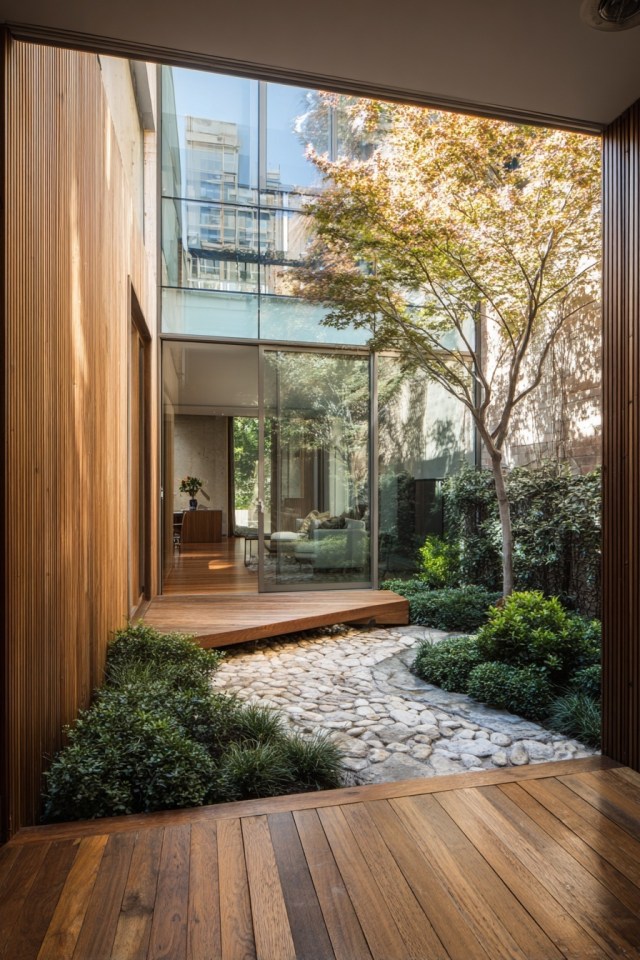
Creating an internal courtyard is a powerful way to marry an old house with modern sensibilities. By building a new, U-shaped wing around a central garden, you essentially turn the old back wall of the house into an interior courtyard wall. The modern addition features full-height glass that opens directly onto this new, private sanctuary. This design prioritizes the inward-looking nature of modern living, ensuring that every room in the expanded home has a view of greenery. It creates a peaceful, secure haven that is completely protected from the street, blending the old architecture with a new, quiet luxury.
12.) The Structural Skeleton Reveal


For a truly modern and honest approach, exposing the structural skeleton of an addition can be incredibly impactful. Using exposed steel beams or columns in an extension creates a crisp, grid-like geometry that contrasts sharply with the soft, erratic textures of an old house. This design celebrates the engineering required to marry the two structures. The steel frame can be painted a bold color or kept in its natural, industrial state, serving as a constant reminder of the modern intervention. It provides a strong, reliable frame for large panels of glass, emphasizing the strength and precision of contemporary building techniques.
A Lasting Blueprint for Architectural Renewal


The art of integrating modern design into an old house is ultimately an act of preservation through evolution. By honoring the historical narrative of the original structure while confidently asserting a contemporary voice, you create a home that is richer, more complex, and more deeply connected to the passage of time. As you explore these twelve design directions, consider what aspect of your original home you want to celebrate and how a modern addition might enhance that character rather than compete with it. A well-designed renovation is one where the old and the new do not just sit side-by-side, but actively converse, creating a unified living environment that celebrates the best of both worlds.
