
3D printing in residential design represents a fundamental shift from assembly-based construction to fluid, singular creation. In traditional building, you are often limited by the straight lines of timber frames and the labor-intensive nature of masonry. In contrast, 3D printing allows for the layering of materials with extreme precision, enabling architects to design homes that mimic the natural curves of the environment rather than fighting against them. This method reduces waste significantly, as the printers deposit material only where it is needed for structural integrity, allowing for hollow walls that can be filled with eco-friendly insulation. It is a harmonious approach that marries technical sophistication with environmental stewardship, creating homes that feel like they have grown out of the earth rather than being placed upon it.
1.) The Organic Earth-Mound Cabin

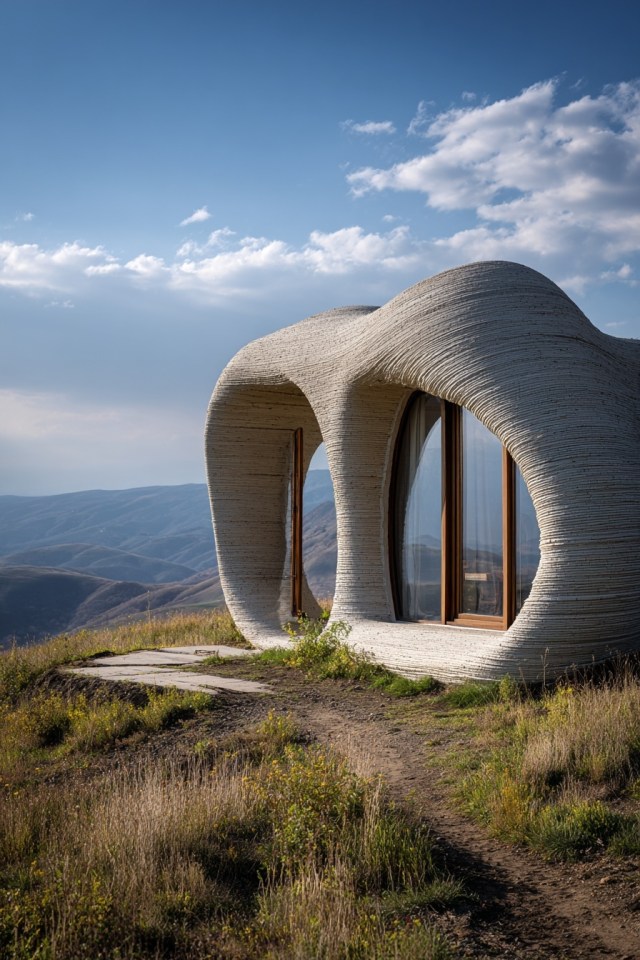
This cabin utilizes the fluidity of concrete printing to create a structure that seems to rise naturally from the landscape, mimicking the gentle slopes of a rolling hill. The exterior walls feature smooth, undulating curves that naturally deflect wind and integrate beautifully into the surrounding terrain. By printing in layers that follow the topography of the site, the structure achieves a seamless transition between the ground and the building. Large, recessed windows are integrated directly into the printed shell, providing panoramic views while maintaining a cozy, sheltered feel that protects the occupants from the elements.
2.) The Sharp Geometric Monolith


For those who prefer a stark contrast between nature and architecture, this cabin design features aggressive, razor-sharp angles and a minimalist monolithic form. The 3D printer allows for perfect, crisp edges that would be incredibly difficult to achieve with traditional concrete casting, resulting in a sculpture-like appearance. The dark, matte finish of the printed material absorbs light, making the cabin feel like a shadow against the trees. It is a bold, modern statement that emphasizes precision, order, and a clean departure from the traditional rustic log cabin aesthetic found in forest settings.
3.) The Elevated Forest Canopy Loft


Designed for sites with sensitive ecology, this cabin is printed off-site in modular sections and assembled on steel stilts, ensuring the structure leaves almost no footprint on the forest floor. The exterior shell is printed with a lightweight, bio-composite material that provides incredible strength without the weight of concrete. The design features a circular aperture for the entrance, creating a playful, futuristic contrast against the vertical lines of the surrounding pine trees. It effectively elevates the living space into the canopy, offering a unique perspective of the woodland while keeping the ground-level ecosystem entirely undisturbed by construction.
4.) The Sustainable Adobe Shell


This cabin honors ancient building techniques by utilizing a modern, clay-based 3D printing mixture that replicates the thermal mass and aesthetic of traditional adobe structures. The exterior surface is left with the raw, rhythmic textures created by the printer nozzle, which adds a tactile, hand-crafted quality to the modern machine-built form. This material choice is not only carbon-neutral but also provides excellent insulation, keeping the cabin cool during hot summer days and warm throughout the night. It is a beautiful fusion of deep history and future-forward technology, perfectly suited for arid or high-desert environments.
5.) The Stacked Modular Pods


This design consists of three distinct, circular printed modules stacked in an offset formation, creating a vertical home that maximizes living space on a tiny footprint. The exterior walls of each pod are printed with a honeycomb lattice pattern, which provides structural reinforcement while allowing for integrated daylighting. This modular approach allows for customization, as each pod can be printed to serve a specific function, such as a bedroom, a living area, or a studio. The white, clean finish of the exterior modules gives the entire cabin a crisp, airy appearance that feels bright and welcoming in any climate.
6.) The Solarpunk Greenhouse Cabin

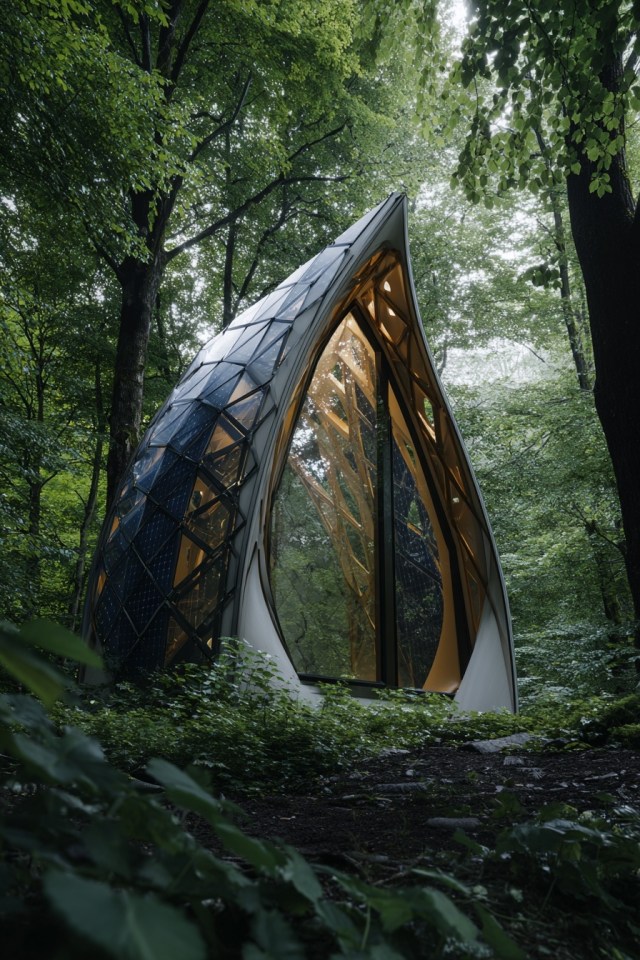
This innovative cabin features a dual-layer exterior wall where the inner layer is solid for structural support, and the outer layer is a printed, translucent lattice that supports integrated solar panels and glass panels. The 3D printing process allows for the precise positioning of these support brackets, creating a structure that generates its own electricity while blending into the foliage. The overall shape is reminiscent of a teardrop, which is aerodynamic and highly efficient. It represents the ultimate in sustainable living, where the architecture itself works actively to generate power and maintain an ideal internal climate.
7.) The Minimalist Concrete Capsule
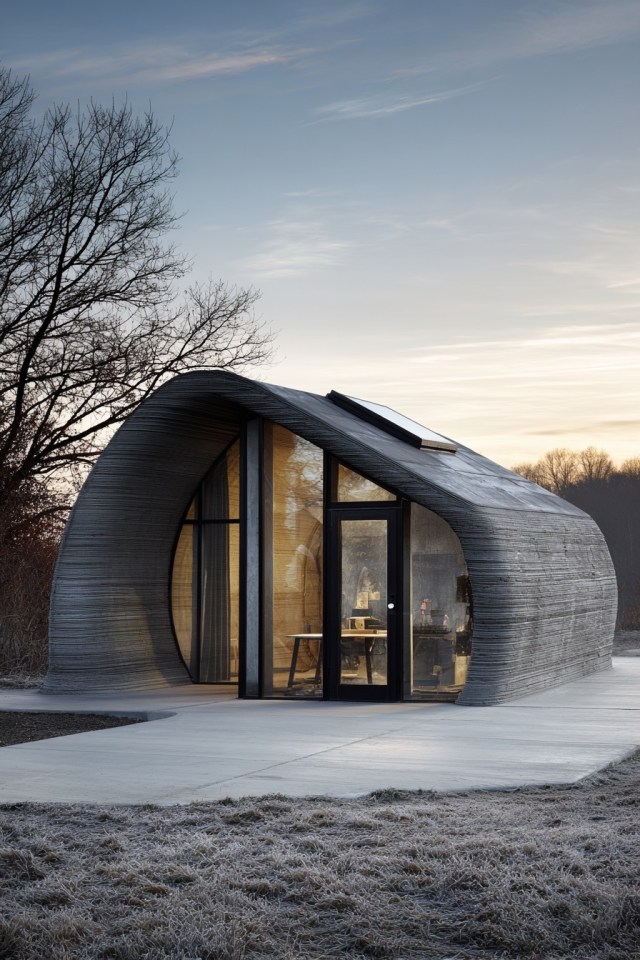

Designed for efficiency and simplicity, this cabin is a single, continuous loop of printed concrete that functions as both wall and roof. The exterior is perfectly smooth, achieved through a post-processing sanding technique that highlights the pure, grey tones of the concrete. With only a single large glass door at the front and a skylight at the peak, the cabin is an exercise in restraint and focus. It is the perfect retreat for someone looking to strip away the distractions of modern life and exist in a space that is as quiet and solid as a boulder.
8.) The Brutalist Textured Retreat


Embracing the raw, industrial aesthetic of the printing process, this cabin leaves the horizontal lines of the concrete extrusion visible and unpolished on the exterior. These ridges create a deep, shadow-casting texture that changes appearance throughout the day as the sun moves across the sky. The heavy, monumental feel of the structure is softened by the inclusion of reclaimed timber accents around the door and windows. It is a powerful, grounding design that feels permanent and secure, serving as a fortress-like escape that celebrates the honest reality of its own construction method.
9.) The Parametric Wood-Composite Cabin


Using a specialized wood-pulp filament, this cabin pushes the boundaries of material science to create a structure that looks and smells like timber but possesses the strength and flexibility of engineered composites. The exterior is a complex, parametric lattice that spirals upward, creating a design that is visually light and airy. Because the material is wood-based, it will naturally age and patina over time, allowing the cabin to blend seamlessly into the forest environment as the years pass. It is a visionary approach that combines the warmth of wood with the precision of digital fabrication.
10.) The Cantilevered Cliff-Hanger
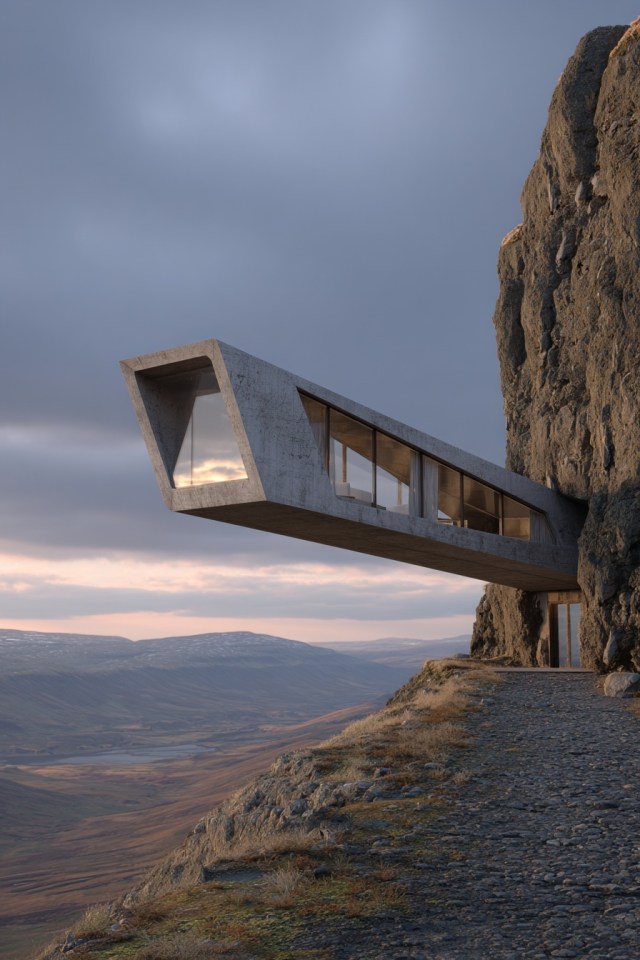

Leveraging the structural advantages of high-strength printed concrete, this cabin extends over the edge of a cliff, providing dramatic views that would be impossible with standard foundations. The exterior structure is printed with reinforced internal trusses, allowing for a long, overhanging section that remains completely stable. The underside of the cabin is finished with reflective panels, making the structure appear to float above the landscape. It is a bold engineering marvel that showcases how 3D printing can allow us to live in extreme, beautiful environments that were previously inaccessible for permanent construction.
11.) The Nested Dome Structure


Inspired by organic forms found in nature, this cabin consists of two nested domes, providing a natural air buffer between the inner and outer shells. The exterior dome features a series of perforated ventilation holes printed directly into the structure, facilitating passive cooling and airflow throughout the cabin. The white, smooth finish of the domes reflects harsh sunlight, making the structure feel incredibly cool and refreshing even in tropical locations. The shape is inherently strong and wind-resistant, providing a secure and tranquil space that feels like a sanctuary of peace and protection.
12.) The Woven Lattice Shell


This cabin features an exterior wall that is printed in a crisscrossing, woven lattice pattern, reminiscent of traditional basketry but on an architectural scale. The structure is incredibly strong, yet visually delicate, allowing light to filter into the cabin in a dappled, soft glow. The spaces within the lattice can be filled with climbing plants, allowing the building to eventually become covered in greenery and blend completely into the forest. It is a living, breathing design that highlights the incredible aesthetic potential of 3D printing, turning a solid structure into a piece of functional, evolving art.
A Lasting Blueprint for Future Living


The emergence of 3D printed cabins signifies a shift in how we interact with our environment, proving that we can build sophisticated, beautiful, and sustainable shelters with a fraction of the waste associated with traditional methods. These twelve designs are merely the beginning of an architectural revolution that prioritizes efficiency, creative freedom, and harmony with nature. As the technology continues to mature, we can expect to see even more radical shapes, sustainable materials, and intelligent systems integrated directly into the walls of our homes. The dream of a remote, modern retreat is no longer tied to the slow, heavy processes of the past; instead, it is becoming a reality that is printed, precise, and profoundly inspiring.
